“It’s the only do-it-yourself pellet-making machine out there and I have nothing bad to say about it. But then, I am a dealer. However, I didn’t become one until after I bought a machine and found out how well it works. To make good quality pellets, you just have to find the best method.
“It doesn’t make any difference what the material is but there are certain procedures to follow for different kinds of materials. The company doesn’t provide the best set of instructions but they haven’t been in business that long and are still figuring everything out themselves.
“There are two basic kinds of materials to make pellets from: Dry products like grasses, cornstalks or sawdust; and wet products like distiller’s grains, green sawdust, and other products with 16 to 40 percent moisture content.
“With dry material, you have to add a binding agent to make a good pellet. The good thing about working with dry material is that it’s ready to burn when the pellets come out.
“With wet material, you often don’t need a binder but when they come out, they’re too wet to burn. So you have to go through a drying process to bring them down to 12 to 13 percent moisture to burn successfully in a stove.
“We’re all new at this so there’s a lot of experimenting going on. It’s almost more of an art form than a science. For example, there’s a big difference between sawdust from hardwoods and sawdust from soft woods, and it makes a difference if you’re using a circular sawmill or a bandsaw mill, which has much finer sawdust.
“It would be nice if there were a detailed pellet maker’s manual but there isn’t. I may scare some customers off by telling them the facts, but I’d rather do that up front than have them buy a machine and not be happy.
“It’s important to chop material up so it fits through a 1/4-in. screen. You can’t just take hay off a big bale and pelletize it. I kiln-dry my own lumber and use shavings from our planers and joiners and I have to run them through a hammermill so there are no chunks or long slivers to plug up.
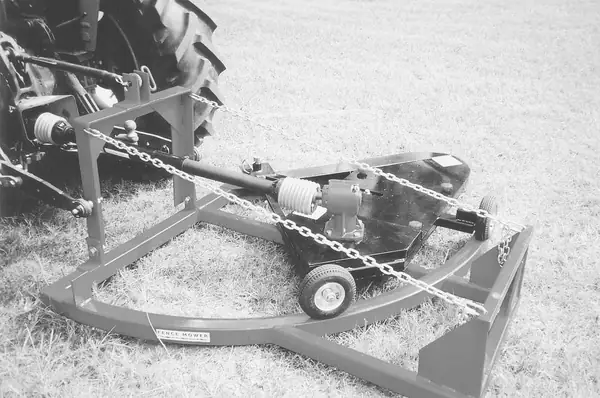
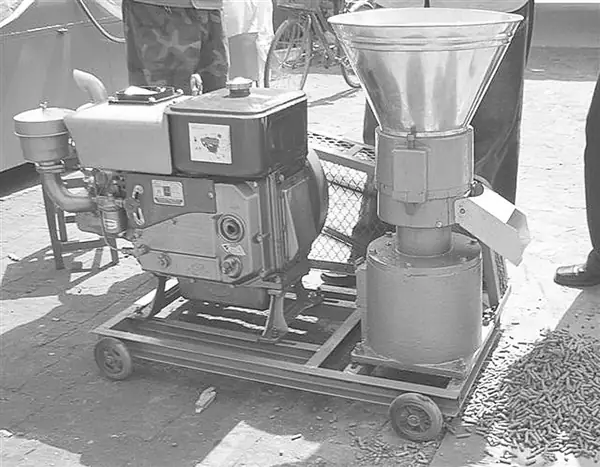
“There are three different electric-powered models, a diesel-powered model, and a pto-powered model. Capacity ranges from 65 to 650 lbs. per hour.
“There’s tremendous interest in pelletizing right now. It’s been a learning process for the whole company.”